

Much of the world’s media was focused on the horrific disaster that followed the Fukushima Daiichi nuclear power station meltdowns that began on the 11th of March, 2011. An estimated 130,000 people were initially evacuated and 70,000 people presently remain displaced from their homes due to radiation.
In today’s post, I look at the social policy conditions that exacerbated the effects of the disaster. I focus on the ongoing sociological impact on Japan’s ‘nuclear refugees’. This includes social stigma faced by survivors, and increased risk of suicide among those have stayed near the ‘nuclear zone.’ I discuss how sociology might contribute towards sustainable planning.
How did the Fukushima disaster happen?
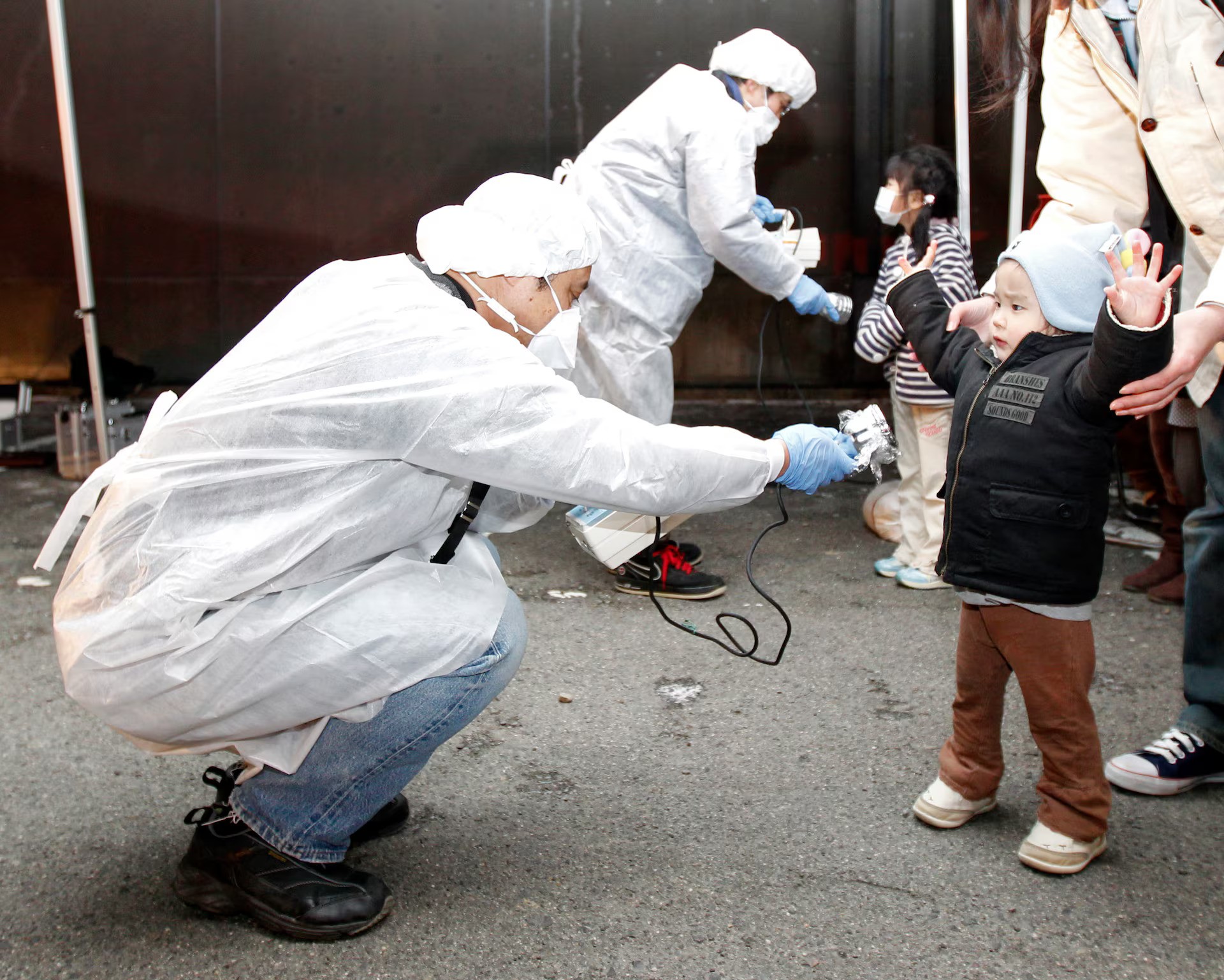
The various meltdowns at the Fukushima Daiichi nuclear station were caused by the reverberating effects of the earthquake and tsunami that occurred on the 11th of March. The Tokyo Electric Power Company ‘had been unprepared for such a disaster.’
Writing to the Research Committee on Environment and Society of the International Sociological Association in May, Koichi Hasegawa, sociologist with the Tohoku University in Japan, discussed the ‘battlefield’ left behind by the ‘Giant Tsunami’. Hasegawa reflects on the Japanese Government’s failure to enact an effective evacuation plan. Hasegawa poses several sociological questions, such as ‘How can I find a way to the future from this catastrophic situation? Where can I find some hope?’ Other questions relate to poor industry practices and lack of Government intervention: ‘Why did we fail to protect safe community life in the coastal area? Why did we fail to prevent this nuclear disaster? Why did we fail to change a very risky pro-nuclear energy policy?’
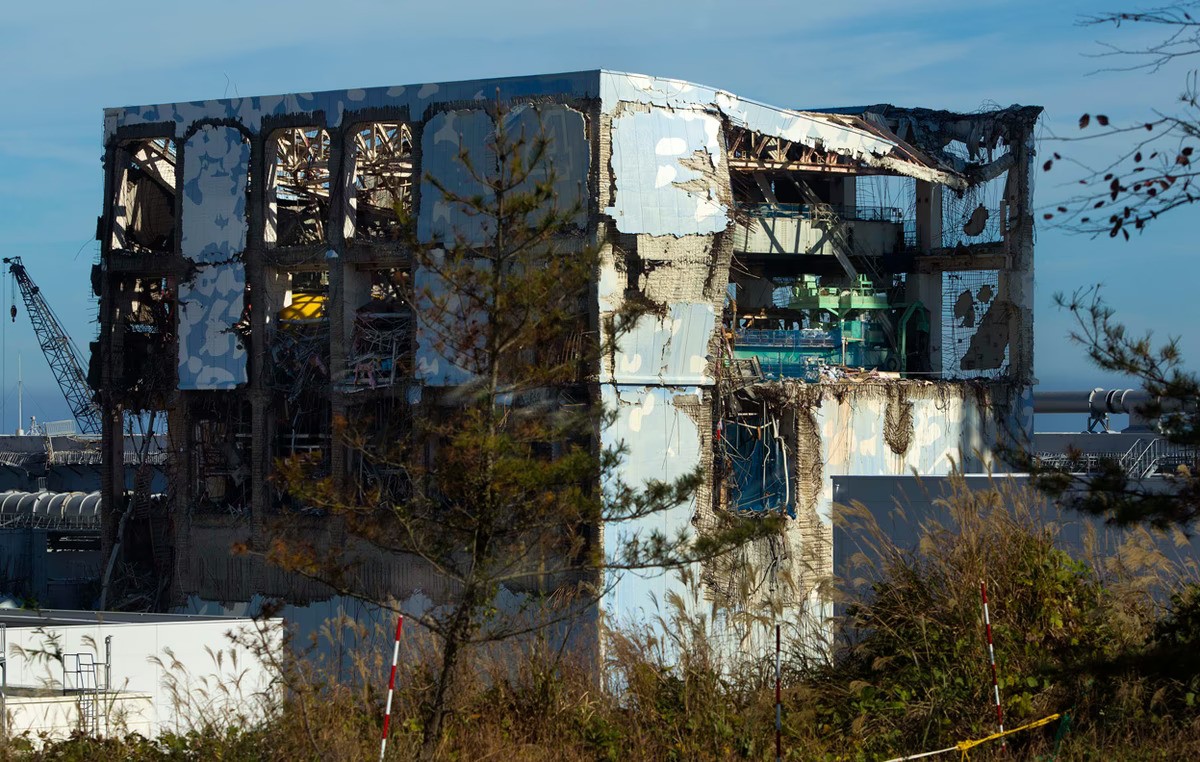
Reflecting on a series of Government and private industry reformations that go back to 1955, Hasegawa notes that the Tokyo Electric Power Company (TEPCO) became the largest private electric company in the world. Yet there was no ‘real independent regulator’ monitoring the activities and safety procedures of this nuclear energy monopoly. Hasegawa sees that negligible industry practices and poor Government planning and intervention contributed towards the Fukushima disaster.
In early September, Former Prime Minister of Japan, Naoto Kan, spoke with the Japanese newspaper The Yomiuri Shimbun. He argues that the Government’s slow safety response and poor communication with the plant’s operator contributed to the magnitude of the nuclear disaster. Kan said:
‘The ongoing crisis at the Fukushima No. 1 nuclear power plant should be considered a ‘man-made disaster’… There in fact were various opinions [regarding the safety of the plant] before the accident, but no well-thought-out preparations were made… In that sense, the nuclear accident should be considered a man-made disaster.’ (Source)
Frank N. von Hippel, a theoretical physicist from Princeton University, has analysed the radiation effects from the disaster in the Bulletin of the Atom Scientists. He argues that the Japanese Government should have evacuated at least 2 million people in the surrounding areas of Fukushima instead of only 130,000 people. von Hippel notes that around 20,000 people died as a direct result of the earthquake and tsunami. No direct deaths seem to have been recorded from radiation. However, von Hippel warns that the radiation levels from the Fukushima leaks could eventuate in up to 1,000 cancer-related deaths in the future.
Many towns remain abandoned, as they are deemed unsafe. Locals feel ‘the authorities have failed the people of the area.’
National Geographic reports that around half of the people who were initially evacuated have returned home. Yet there remains over 70,000 ‘nuclear refugees’ who are internally displaced.
Displaced people

The survivors who were forced to leave their homes are being housed in temporary accommodation. They face daily socio-economic hardship, as they struggle to find ongoing work. Older people face abandonment.
Additionally, survivors experience increased risk of suicide as a result of their trauma and loss. They also experience intense pressure to return home.
Forced migration is reported to be seen as ‘desertion’ by some sections of Japanese society, and ‘uncharacteristically Japanese’. Komae Hosokawa, a nuclear sociologist said:
‘Some people do evacuate… But the problem is they are the minority and they have been accused by their neighbours, by their classmates and of course by official personnel that they are causing unfounded anxiety among people, which is not good.’ (Source)
Hirohito Hirose, a disaster psychologist led a study showing that suicide rates in Japan have increased since the disaster in comparison to two years ago. Suicide is higher among residents living along the periphery areas of the ‘nuclear zone’. Farmers have been particularly vulnerable to suicide as their soil represented their entire livelihood. Hosokawa explains:
‘We hear some organic farmers committed suicide, because you know for organic farmers soil is everything… They nurture the good soil after many years of hard work and it is just contaminated in one night or two you know. So some farmers committed suicide and I am very sad to hear the news. And many other farmers are also very much depressed… Because of the tsunami disaster and the nuclear disaster many people have actually lost their jobs or their working conditions have crashed, so they have so many good reasons to commit suicide.’ (Source)
Japanese refugees experience ‘survivor’s guilt,’ as well as criticism for not returning home, even though it is not safe for them to do so. Shigeru Iwasaki, a Fukushima Shelter Official, says
‘There is a typical Japanese reaction to blame themselves for not being able to help those who died in this accident. This feeling exists amongst Japanese people and especially those who survived this disaster.’ (Source)
Evacuation sites
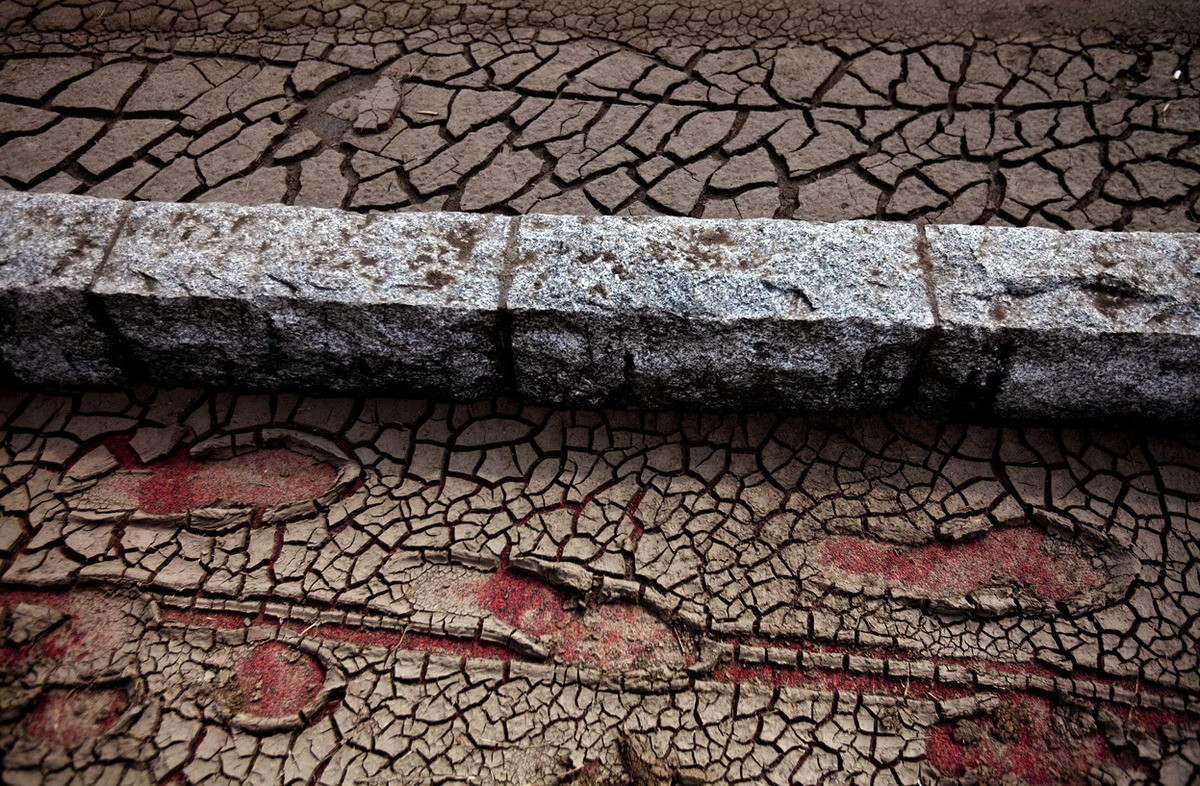
National Geographic has recently published a compelling photo essay of ‘Japan’s nuclear refugees’ and the exclusion zone around the Fukushima nuclear plant (see photos in The Atlantic). Associated Press photographer David Guttenfelder went into the exclusion zone around the Fukushima station. He has chronicled the devastation in the abandoned town of Namie.
He finds the toxic severity is not immediately visible to the naked eye. Evidence remains of the 21,000 locals who left their homes in a rush. The majority (13,500 people) live in temporary accommodation in the Fukushima region and the rest (7,500) have migrated to other areas in Japan.
How can sociology help?
Yesterday, Reuters reported that the Japanese Government may be considering a $13 billion or up to $27 billion bailout for the Tokyo Electric Power Company, to help repair the Fukushima assets. This would effectively nationalise the energy giant. Reuters reports that more funding is likely to be sought from banks and private industry.
These private investments might seem necessary in order to rebuild TEPCO’s infrastructure. The strategy may well save a company that is vital to the nation’s energy production and economy. How can Japanese citizens feel assured that private interests will be adequately regulated to prevent a similar situation in future?
Hoichi Hasegawa argues that future discussions about sustainability and ‘eco-friendly’ community planning need to take into consideration natural disasters, such as tsunamis and earthquakes. Hasegawa notes the disaster in Japan was caused by poor environmental planning:
‘From now, we should focus on ‘sustainability’ from the standpoint of disaster prevention and safety. Accelerated global warming will bring so many disasters like huge floods, hurricanes, typhoons and so forth. Recovery and regeneration of the local community will be a focal point of discussion. Eco-friendly communities utilizing renewable energy sources like solar, wind, biomass and local resources related to farming and fishery, not dependent on nuclear energy or fossil fuels, will be a trigger to the sustainable future. We should remember that the Chinese character “crisis” consists of “risk” or “danger” and “opportunity” or “chance.” We should turn this crisis into the chance of renewal’ based on ‘renewable energy resources.”‘
Hasegawa sees that sociologists have an important contribution to make with respect to sustainable planning.
Disaster forecasting, resilience measures, community development programs, and natural disaster planning all require applied sociological knowledge. This includes insights about:
- how different communities are organised in different locations;
- how people react in times of crisis;
- how to swiftly and effectively address social stigma, social exclusion and social alienation of survivors; and
- how to mobilise social action to rebuild communities.
The social costs of disasters can be better addressed through a collective, interdisciplinary effort that includes natural scientists, sociologists, and other social scientists.
Do you have any other ideas how sociology can contribute to the reconstruction and planning efforts in Japan’s Fukushima nuclear sites? How can sociology help with the treatment and social inclusion of people who were internally displaced due to the nuclear crisis? If you a Japanese sociologist, can you share any other ideas regarding the TEPCO bail-out? Or related social policies that might help to address the social, environmental and economic problems related to the Fukushima disaster?
Learn more
- Read more on ‘Japan’s nuclear refugees‘ on National Geographic.
- View the photos of Japan’s nuclear zone from The Atlantic.
- Read The Atlantic’s photo essay of the earthquake and tsunami from March.
Credits
Top image: ‘Units five and six of the Fukushima Dai-ichi nuclear power station, viewed through a bus window in Futaba, Japan, on November 12, 2011.’ Source: AP Photo/David Guttenfelder via The Atlantic.
Discover more from The Other Sociologist
Subscribe to get the latest posts sent to your email.

 The Other Sociologist