
A round up of the events and visual sociology for January.
John Campbell: Stacks On
This work features Australian slang on light boxes and fabric banners. My favourite? “Franco Cozzo,” an infamous figure amongst people in the western suburbs of Naarm, Melbourne, especially migrants, as well as “It’s a world full of lying bastards.”
There’s also a banner reading “save the VCA.org,” a reference to the Victorian College of the Arts, a campaign from 2009 when funding was being cut.
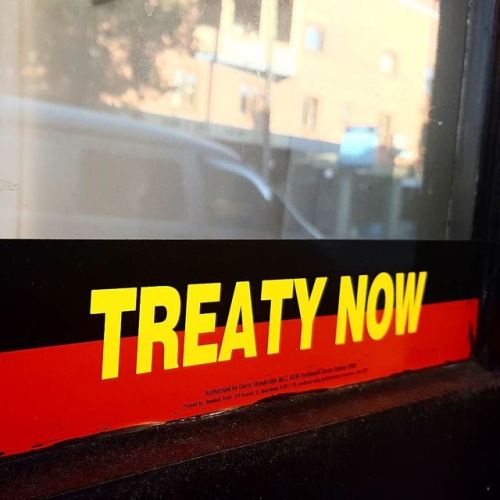
Treaty now
Australia is the only Commonwealth nation without a treaty with First Nations people. In national consultations with Aboriginal and Torres Strait Islander people, published as the Uluru Statement, a pathway to (and beyond) treaty was outlined through truth telling and a makarrata. This is the Yolngu word for various overlapping processes of peace negotiations, as well as an agreement to solving conflict and restoring justice. Aboriginal and Torres Strait Islander people have attempted to negotiate treaties since colonialism began, and a makarrata since the 1970s, to address formal recognition that the land belongs to Indigenous people, along with plans to address other cultural and socioeconomic issues. Both sides of Government addressed national media and promised to establish a makarrata at the Garma Festival in August 2017, but have since rescinded their support.
Dancing at the Blak Markets
This was a beautiful day.I bought gorgeous jewellery by Aboriginal women designers and artists.
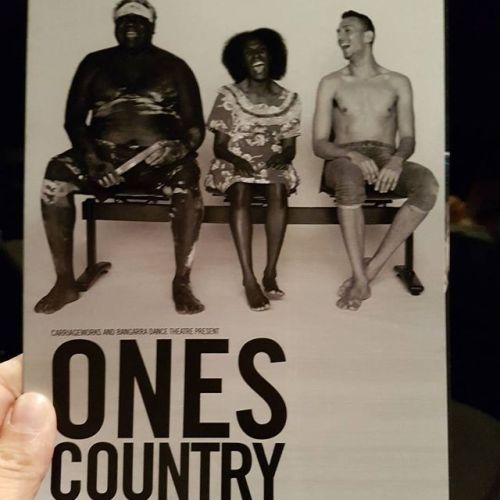
Ones Country
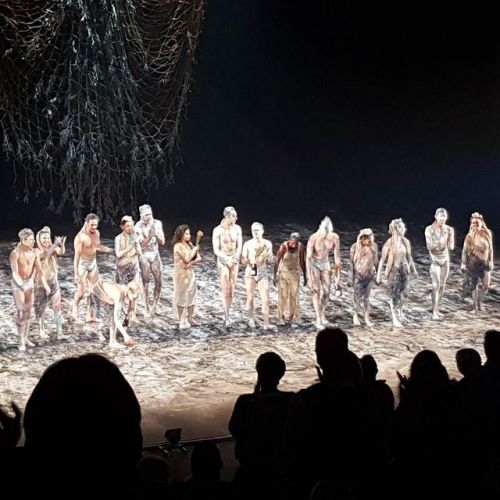
Ones Country – The Spine of Our Stories by Bangarra Dance Theatre was phenomenal. The dancing was based on mythology and storytelling from North East Arnhem Land, the Torres Strait Islands and contemporary Sydney. Nathu was about the elusive cycad nut; Place was about being Black and gay (incredibly pertinent given the recent success of the national postal survey on marriage equality that was passed by the Senate at the end of 2017); and Whistler was about the sacred significance of the dugong, a grey whale-like marine mammal. They’ve been protected by conservation legislation since 1999.
Home Ground
Yothu Yindi and the Treaty Project reunite.
At Homeground, Mau Power remixes the famous Thursday Island song, My Island Home. Lots of people dancing, mostly kids and families.
Airileke – Rise of the Morning Star. This artist is Australia-born from the Top End, and Papua New Guinea.
Tenzin Choeygal. First Nations musician from Tibet, playing at Homeground.
Pipilotti Rist
Sip My Ocean. Wonderful and immersive exhibition by Swiss artist Pipilotti Rist.
The ultimate Sociology of Lights, which got its start as the chronicle of tacky chandeliers!
“Restoration” by NAISDA
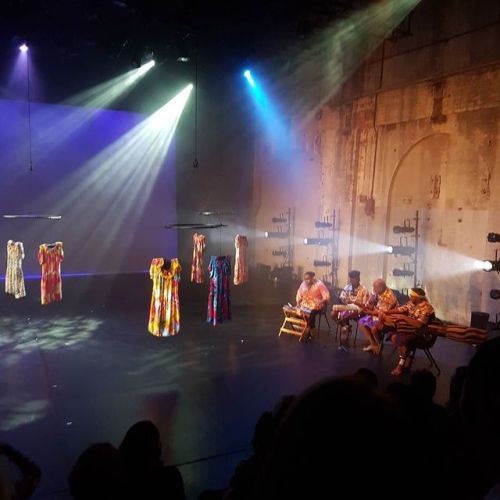
At Carriageworks for NAISDA (National Aboriginal and Islander Skills Development Association) performance of “Restoration,” the cultural dances of Moa Island. Here, the dancers are warming up onstage as the audience enters. They’re laughing and talking to one another.
“Restoration” by NAISDA was wonderful. At two hours and 20 minutes, it was a glorious gift to see a mix of various contemporary styles and traditional dance. They also had musicians onstage for the traditional dance and used chalk, words and images of nature on a large screen to flesh out the stories. One of the young women dancers was outstanding – her face was so expressive and her movements were so powerful. She did a solo to Missy Elliot before the show started.
Scienceworks
Light show at Scienceworks, Melbourne.
Discover more from The Other Sociologist
Subscribe to get the latest posts sent to your email.

 The Other Sociologist