
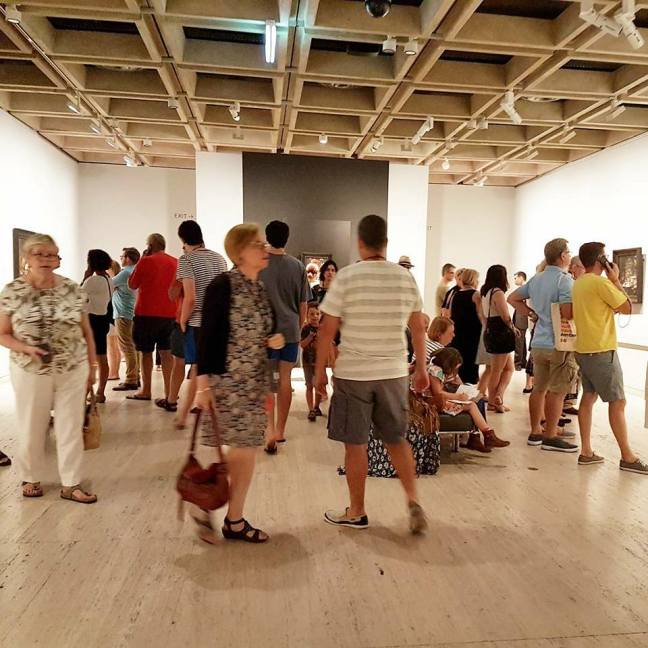
This is my sociological reflection over the exhibition, Rembrandt and the Dutch Golden Age.
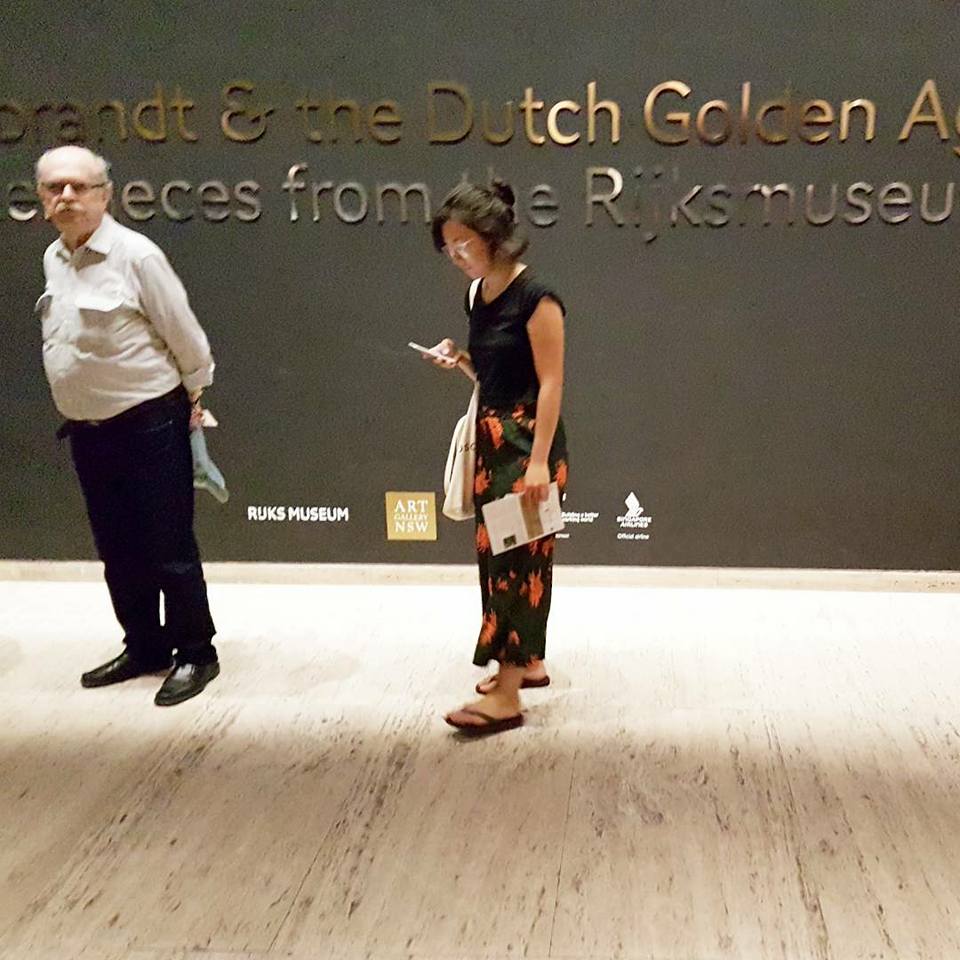
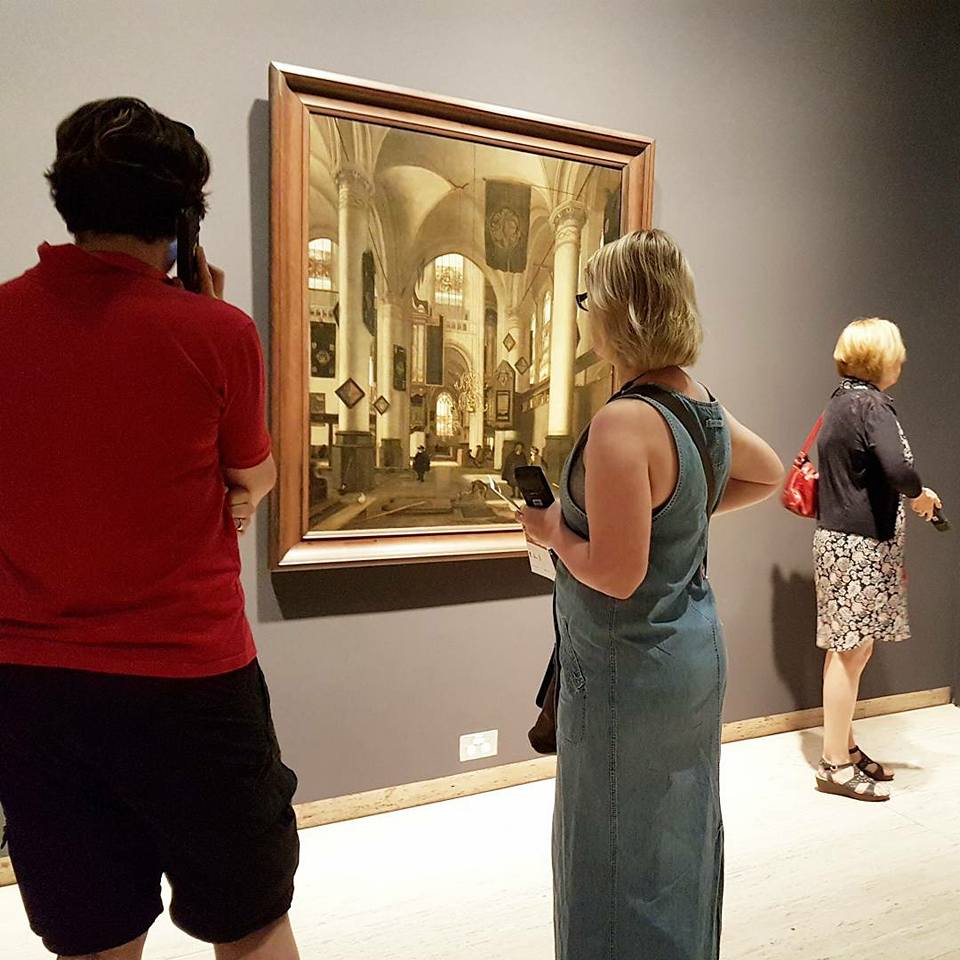
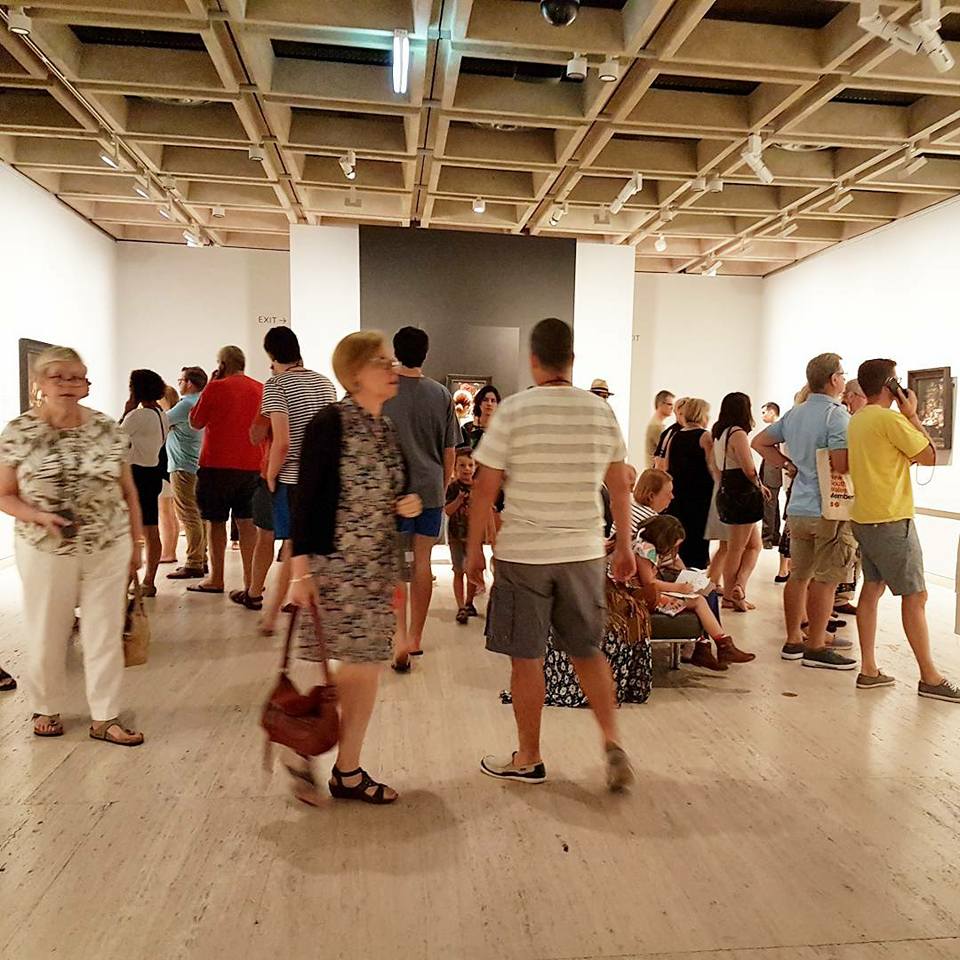
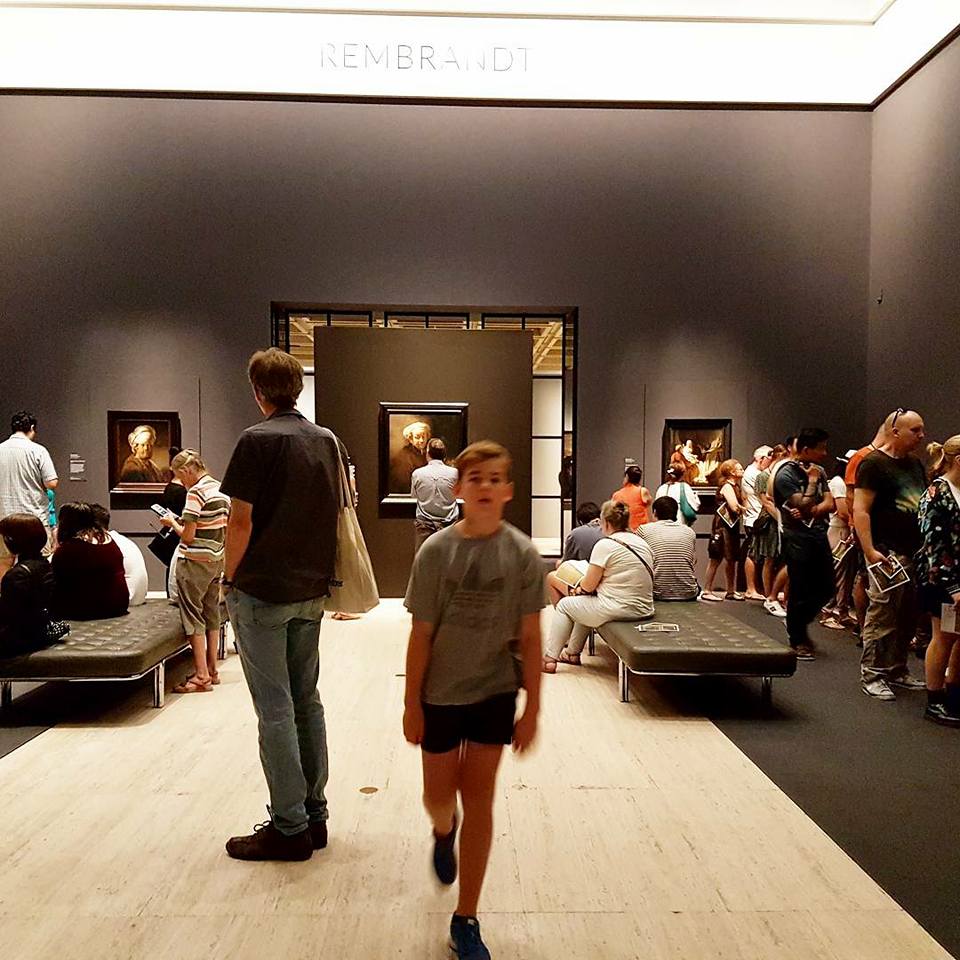
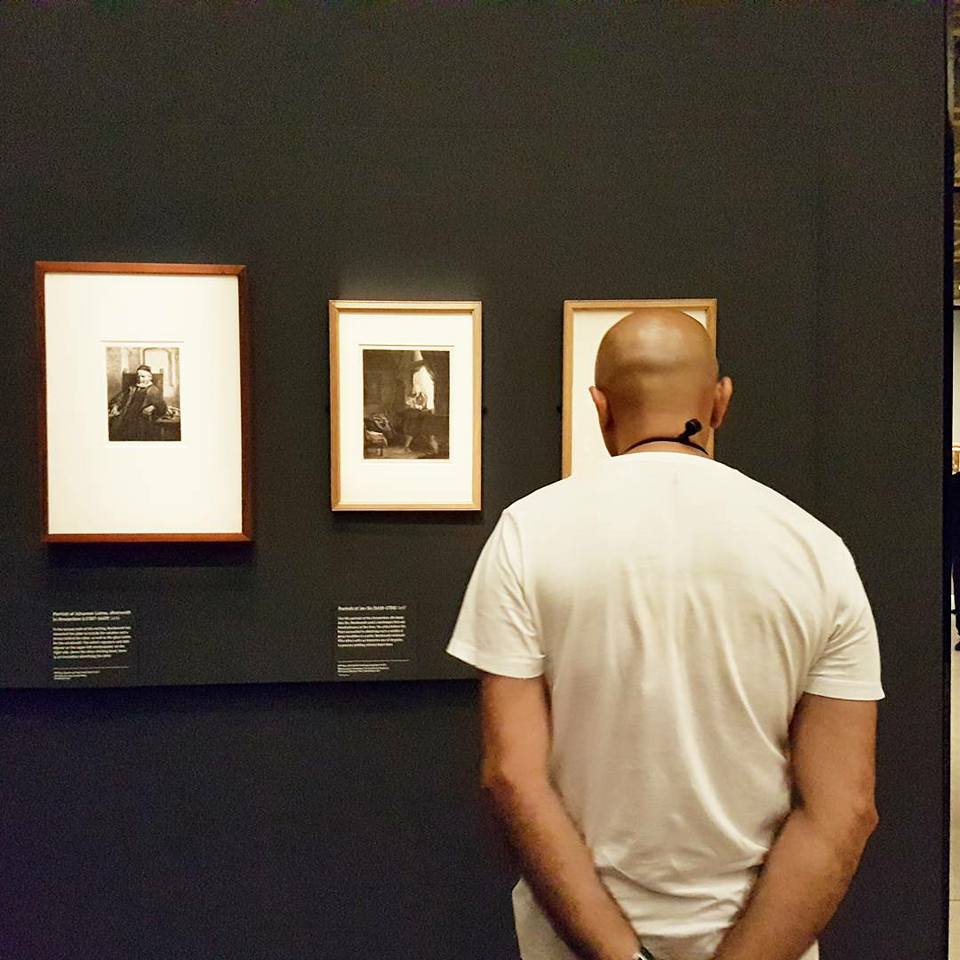
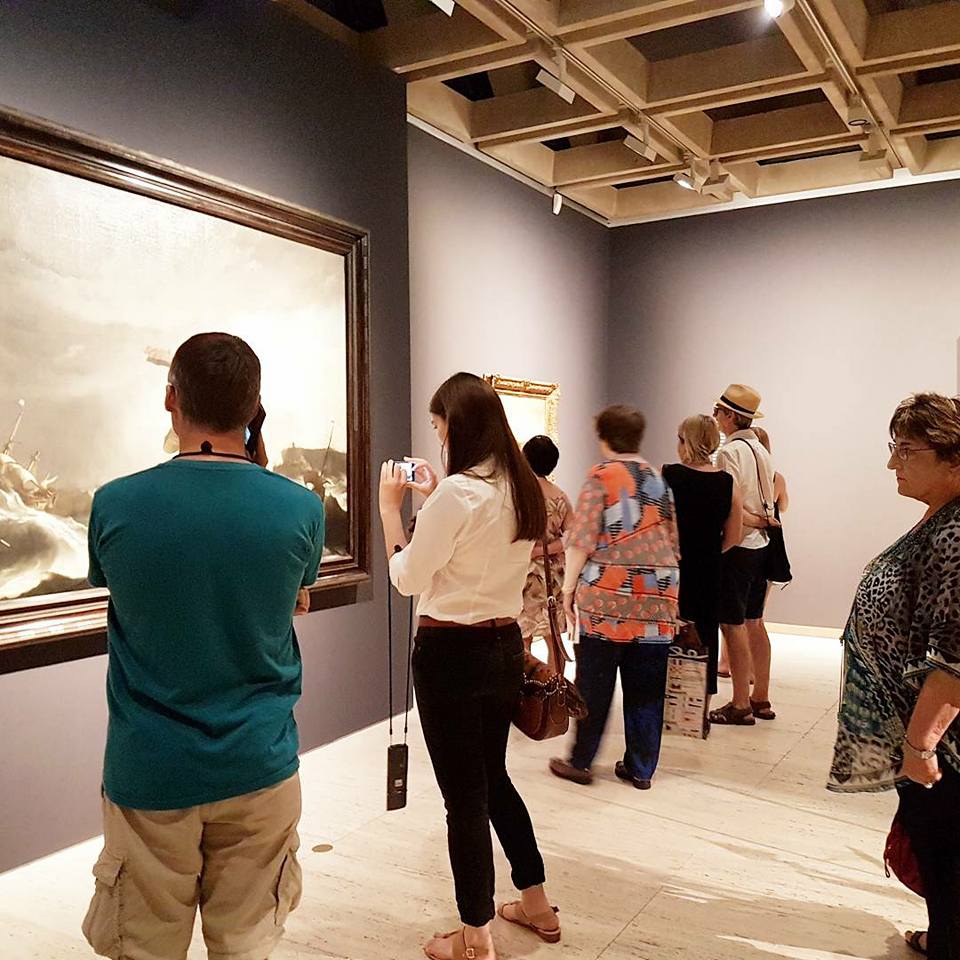
The exhibition is a wonderful collection of the master artist. I loved the paintings and the space. I highly recommend it for art lovers. Here, where we also think critically about the historical and cultural significance of art, I focus solely on the sociology of race, gender, and class.
There was only one woman artist in the exhibition, White Dutch artist Rachel Ruysch. There were no people of colour, except in one landscape depicting slavery of African people, in a work celebrating the growth of Amsterdam. Other than this, no other references to colonialism, even though there was a giant ship in the exhibition and a landscape of Brazil referencing an “outpost.”
There was a painting of the Burghers, a group descendent from Sri Lanka and various European origins, especially Potugese and Dutch, but the exhibition makes no reference to class or race. The term Burgher derives from the Dutch word for “citizen” or “town dweller”, mixed with the French word “bourgeois” which refers to the upper class. The Burghers were actually upwardly mobile middle class who made a good living as merchants and commissioned paintings to reflect their modest wealth. While most were of mixed racial background, they are painted as White.
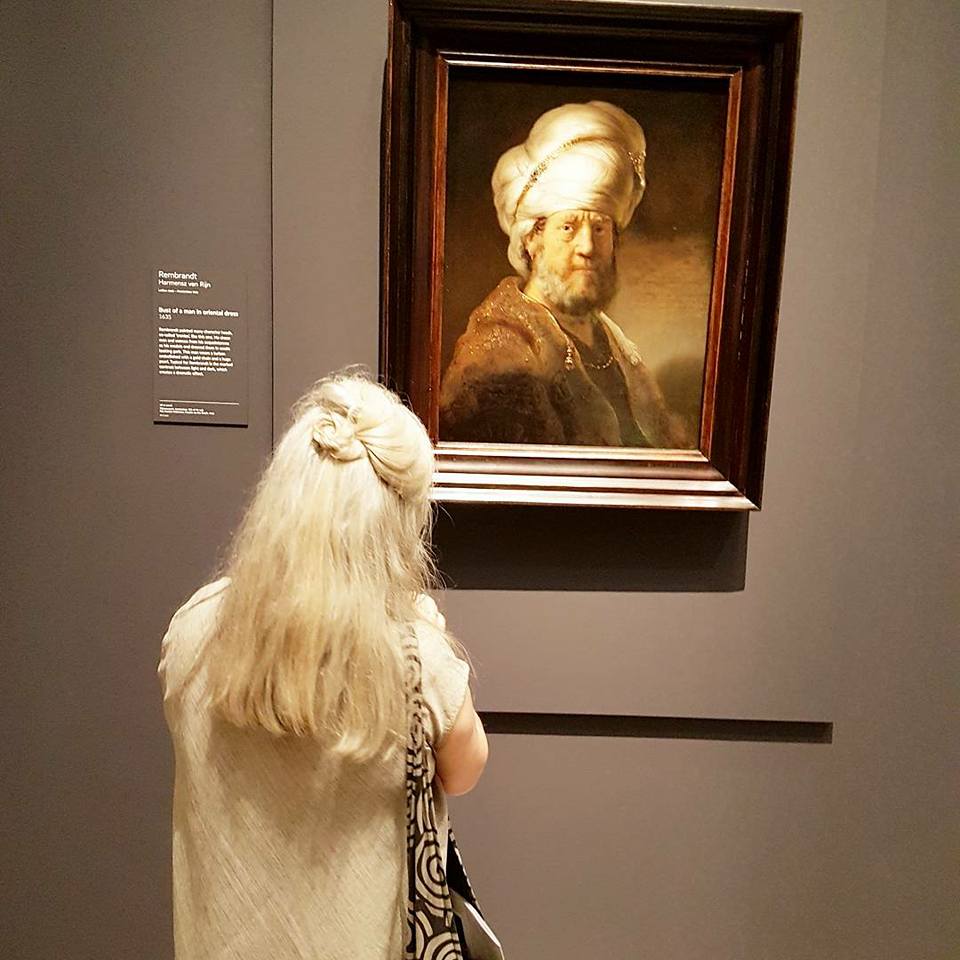
Finally, in one of the photos you see Rembrandt’s painting “Bust of a Man in Oriental Dress,” depicting a White man wearing a turban – an example of White upper class appropriating the culture and religion of Others, but the exhibition explains this as “exotic looking garb.”The exhibition is excellent, but like many, it whitewashes history and replicates racial, gender and various inequalities by papering over relations of power in art.
The exhibition is on in the Art Gallery of New South Wales, Sydney.
Photos and video: The Other Sociologist.
Discover more from The Other Sociologist
Subscribe to get the latest posts sent to your email.

 The Other Sociologist