I have a rule of faith when it comes to film festivals – I don’t watch trailers or read reviews. I read the program and decide to see movies based on the blurb. I make an effort to see movies written or directed by women first and foremost (documentaries or dramas especially), or about minority groups and women in general in the second instance. Third, I try my hardest to see horrors because they’re rarely released in Australian cinemas.
TW gender violence: ‘A Vigilante’ at the Sydney Film Festival is an affecting film about a woman who has survived intimate partner violence and now rescues women and children from violence.
My Weekends With A Sociologist series is going to start coming to you more frequently and completely out of sequence. I will share with you my visual sociology adventures from different places, at different points in time, showing you what has captivated my sociological imagination most recently, through to what has lingered with me over time. The purpose of this series is to showcase what it is to see the world through a sociological lens. (For visually impaired readers, descriptions in the alt.) So let’s get started!
What better way to restart our journey, than with the enduring legacy of a strong Aboriginal woman, Barangaroo.
Beginning in the first week of January, Sydney annually hosts the Sydney Festival, with various sites around town housing performances, public art and sculptures, including many interactive installations. The best this year was the artwork, Four Thousand Fish, curated by Emily McDaniel, artist from the Kalari Clan of the Wiradjuri nation in Central New South Wales. The artwork blends sea song, visual story telling, sound, lighting, sculptures, landscape photography, music and of course, a beautiful nawi (bark canoe).
Held at the Cutaway in Barangaroo, every weekend this past January, the site was transformed into a public art sculpture that was set ablaze nightly at dusk. I attended an event hosted by the beloved street photographer, Legojacker (formerly from Melbourne, they had moved to Canberra in recent months).
Barangarro is named after the mighty Cammeraygal woman of the Eora nation, who defied colonialism in Gadigal, her homeland (also known as Sydney).
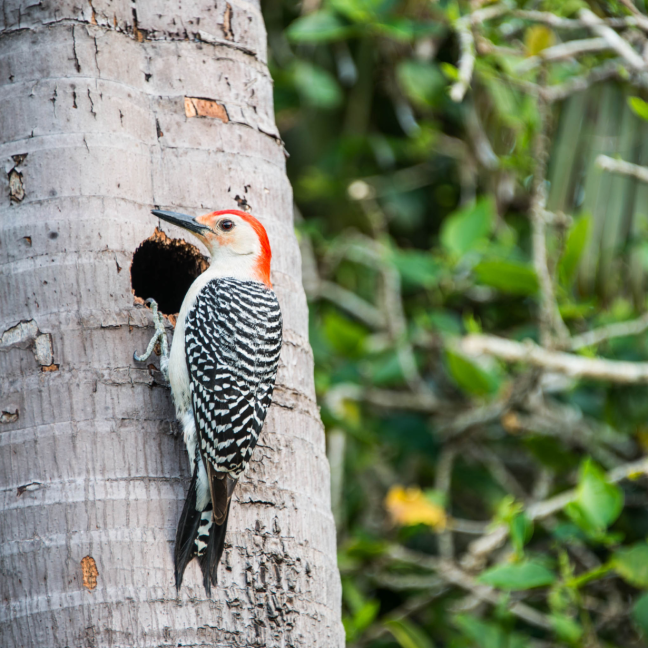
Another Cine Latino film: Woodpeckers (Carpinteros). Unsettling but excellent Dominican film entirely focused on Afro-Latino characters. Julián (Jean Jean) is awaiting sentencing when he’s put into one of the “less hellish” prisons in Najayo. That is to say, an overcrowded, filthy and violent place where many prisoners sleep on the concrete floor. Julián is second generation Haitian-Dominican. In a terse exchange with his brother, we learn he is an entrepreneurial “low level” criminal who doesn’t want to be locked into a low-paid menial job.
At CineLatino, the Latin American film festival, I watched, You’re Killing Me Susana, starring Gael Garcia Bernal. As always, his performance is charming and the movie has an abundance of affable comedy. But his character and the story is not endearing. He is an unfaithful and selfish husband who does not take any interest in his wife and her writing. He is disparaging of her teaching, which supplements her writing aspirations. He has repeatedly talked his wife out of going away on writing trips because he is suspicious and jealous.







 The Other Sociologist