Sociology of the National Arboretum

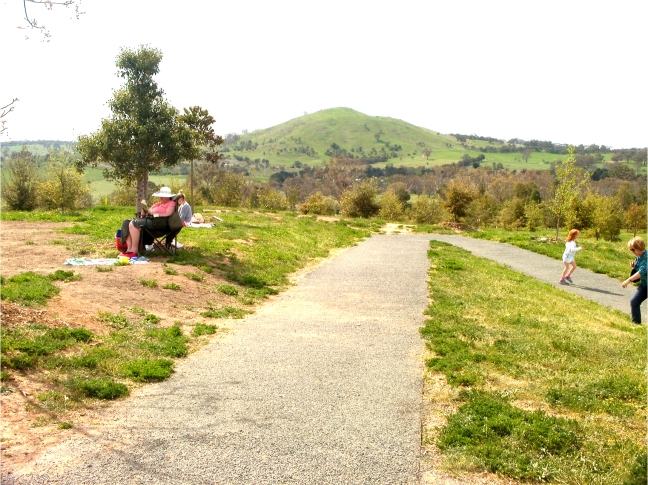
Playground at the National Arboretum Canberra

One of the themes of my visual sociology is the representation of science. Conservation is as much about social practices as it is about earth science, biology and other natural sciences. Today’s post is about the sociology of the National Arboretum, which sits on Ngunawal country. Ngunawal people are the traditional custodians of this part of Acton, west of the city in Canberra. Less than a seven minute drive central business district, this is one of the world’s largest arboretums for rare and endangered trees. I am no arborist. I cannot even claim to be a fan of gardening. I was interested in the Arboretum first in an attempt to capture a visual sociology of Canberra, and second to see how people interact with this place as a science centre. The focus of my post today is on the social dynamics of the Arboretum, especially on community aspects of conservation and the trees that drew the greatest interest amongst the crowds I saw: the Bonsai and Penjing Collection .
National Arboretum (18)

Continue reading Sociology of the National Arboretum

White Supremacy and Islamophobia

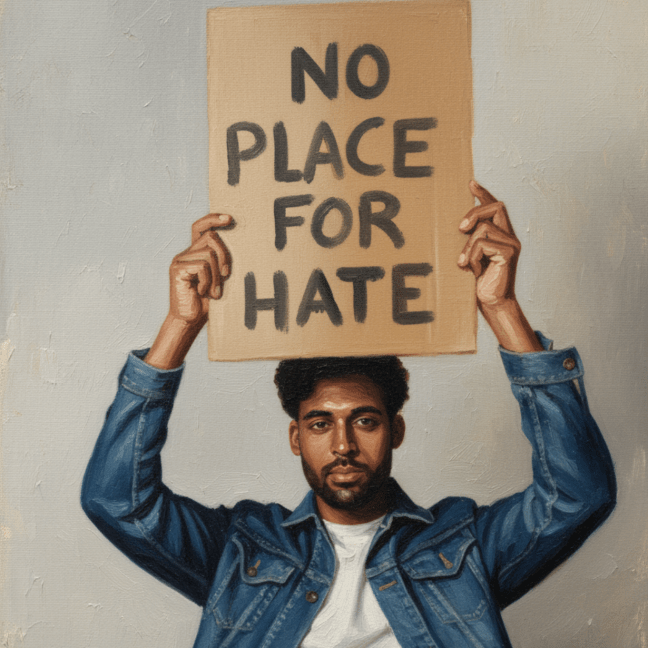
A Black man holds a sign that says: No place for hate

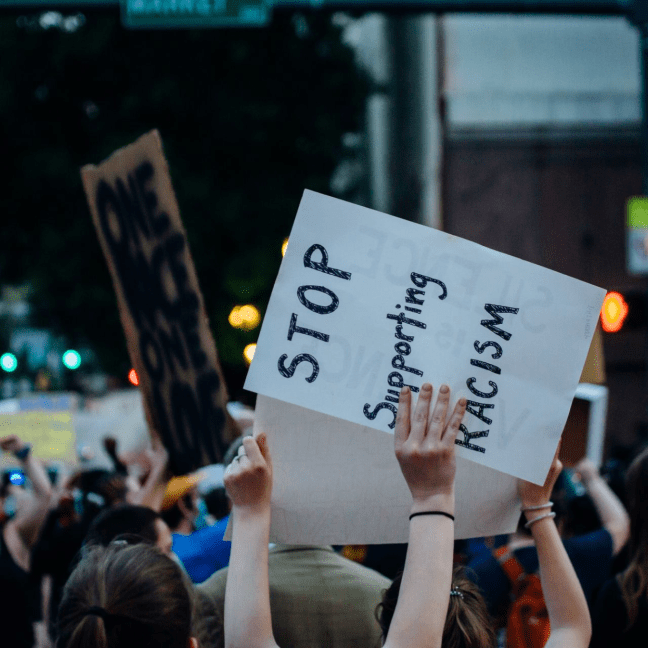
Earlier today, 28 May, seven men were arrested, after a racist, anti-Muslim right-wing group crashed an anti-racism protest outside a primary school in Coburg, Melbourne, Victoria. All except one are aged 25 to 33 years, and the other man is 18. One of the men carried three knives. Media reporting focuses on the “violent clash on the streets,” as if the two groups are neutral, or equally oppressive. We know the men perpetrating violence are white because their race is not mentioned. Islamophobia is mentioned as an aside, rather than the catalyst, and the anti-racism focus of the original rally is also not discussed. This illustrates how white supremacy works, by maintain the ideology that white people are superior to people of colour.

Continue reading White Supremacy and Islamophobia

How to stop the sexual harassment of women in science: reboot the system

Two white women scientists are working on machines in a lab

This article was first published in  The Conversation, on January 29, 2016.

The culture in astronomy, and in science more broadly, needs a major reboot following revelations early this year of another case of harassment against women by a senior male academic.

The journal Science revealed earlier this month that the latest case involved Christian Ott, a professor of theoretical astrophysics at Caltech university, in the United States.

Frustrated that Ott was not fired and only placed on unpaid leave for a year, the two female students who raised the allegations took their story to the popular online news outlet Buzzfeed.

Also this month, US Congresswoman Jackie Speier raised the case of Professor Tim Slater, who had been investigated for various sexual harassment incidents that began after he was hired by the University of Arizona in August 2001. Slater went on to the University of Wyoming.

Slater spoke to the news website Mashable and said he had received sexual harassment training as an outcome of the investigation.

But Congresswoman Speier questioned why the investigation into Slater’s sexual harassment was sealed “while he went on with his career”, even though women who were victims lost years of study and career progress due to his conduct.

Read more on The Conversation.

#SOSBlakAustralia: Colonialism of Indigenous Australians in 2015

Genetics research shows Aboriginal Australians are descendants of the first people to leave Africa. They represent the oldest continuous culture. #SosBlakAustralia
#SosBlakAustralia

The Australian Government is actively sustaining cultural violence against Indigenous Australians. The Abbott Government is trying to force 150 Aboriginal Australian communities off their lands in Western Australia. This would displace up to 12,000 Aboriginal Australians, effectively making them refugees in their own ancestral lands. This comes after months of ongoing campaigns to address:

  • The removal of 15,000 Indigenous children: The Grandmothers Against Removals group have been fighting for the return of Aboriginal children who live in so-called “out of home care,” away from their families. This practice goes back to early colonialism, where Indigenous children were removed from their communities and forced to give up their culture.
  • The denial of basic services to remote Indigenous communities: as shown in the Utopia Homelands in the Northern Territory, an Indigenous community that lived without clean water for two months in late 2014.

Continue reading #SOSBlakAustralia: Colonialism of Indigenous Australians in 2015

Migrants in Australia

Migrants in Australia

Australia is home to the oldest continuous culture in the world, that of Indigenous Australians, and our society also houses one of the highest migrant populations in the world. Australia encompasses over 300 migrant ancestries, with migrants and their children making up half of our population. I’ve just launched a new video series called Vibrant Lives, which explores some of these diverse cultures and the various meanings of multiculturalism in Australia. I’ll focus on different minority groups, as well as covering community events, religious festivals, art exhibitions and community organisations around Melbourne. This post provides some sociological context for my first video on migrant-Australians.

Continue reading Migrants in Australia

Share the Spirit: Survival Day 2015

The 26th of January is Australia Day and a national holiday. Various events happen all over Melbourne, but some of these recognise that this day raises important issues about Indigenous culture in Australia. Protests over colonialism have been ongoing since Europeans settled in Australia in 1788. On the 26th of January 1938, 150 years after the decimation of Indigenous people began, William Cooper (leader with the Australian Aboriginal League) together with Jack Patten and William Ferguson (the Aboriginal Progressive Association) declared the first “Day of Mourning,” a day recognising the history of colonial violence and dispossession. Survival Day events represent the resilience and contribution of Aboriginal and Torres Strait Islander people, who collectively make up the world’s oldest, continuous culture.

I attended the Share the Spirit festival, hosted by Songlines Music. This event has been running at the Treasury Garden since 2002. Together with similar events in Sydney, Perth, Adelaide and elsewhere, they are amongst the biggest Indigenous cultural events in Australia. Continue reading Share the Spirit: Survival Day 2015

Sociology of Government-led Climate Change Denial

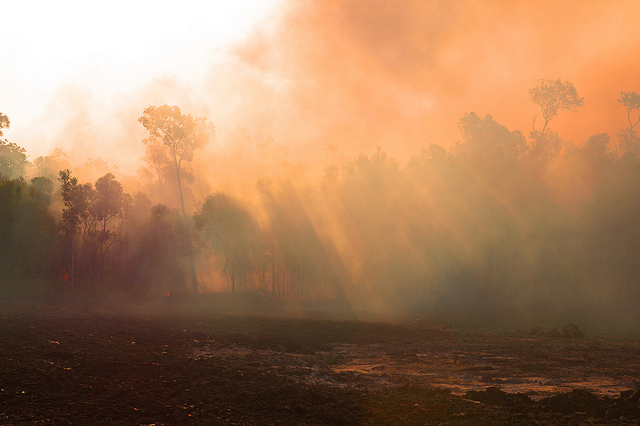
A wilderness landscape coverd in an orange haze of fire

The Abbott Government in Australia has previously stated it does not believe in climate change and it has significantly withdrawn funding for this line of research in its latest Budget (along with funding for most non-medical scientific research). A recent change on the Department of Environment’s website has removed a reference to the link between extreme weather conditions and climate change. The Department says this change reflects the findings of the Intergovernmental Panel on Climate Change (IPCC), which is incorrect. I discuss the Abbott Government’s historical and current position on climate change. I focus on the public discourse by Abbott and his Ministers. They discuss climate change science as both something that is open to interpretation and something that can be fought with selective use of science.

Continue reading Sociology of Government-led Climate Change Denial

Two Out of Five Migrants Experience Racism

A massive crowd of walking people dressed in coats and scarves

An Australian study by philosophy Professor Andrew Markus finds that 40% of migrants from non-English speaking backgrounds have been subject to racism. This is an increase of 19% from six years a go. The groups who reported highest level of abuse include: people from Malaysia (45%), India and Sri Lanka (42%), Singapore (41%), Indonesia (39%), and China and Hong Kong (39%). The national average for experiences of racism was 12%.

Continue reading Two Out of Five Migrants Experience Racism