
A round up of the events and visual sociology for January.
Continue reading Visual Sociology of the New YearIndigenous Sociology for Social Impact

The history of Aboriginal and Torres Strait Islander social justice activism to destabilise and overcome colonial practices in Australia began with the British invasion in 1788 and has continued to the present-day. These acts of social and political organisation have strong sociological resonance that should centrally inform sociological inquiry in Australia. Yet Indigenous knowledges are peripheral to the discipline of sociology. This post is the first in a series exploring ways to decolonise sociology, through the leadership of Associate Professor Kathleen Butler, sociologist and Aboriginal woman belonging to the Bundjalung and Worimi peoples of coastal New South Wales.
To redress the problematic racial dynamics of sociological theory and practice, Associate Professor Butler convened the first Indigenous Sociology for Social Impact Workshop at the University of Newcastle, Ourimbah campus, on Darkinjung land. Held on 27-28 October 2016, Professor Butler invited Indigenous and non-Indigenous sociologists from different parts of Australia to consider gaps and opportunities in addressing the ongoing impact of colonialism in our theories, methods and practice.
Today’s post places the workshop in historic context and summarises the discussion. I also include reflections by Associate Professor Butler about the outcomes from the workshop. I end with a set of questions that emerged from the workshop that we should now face as a discipline in order to centre Indigenous knowledges and methods in sociology.
https://twitter.com/OtherSociology/status/791441601570627585
Woodpeckers
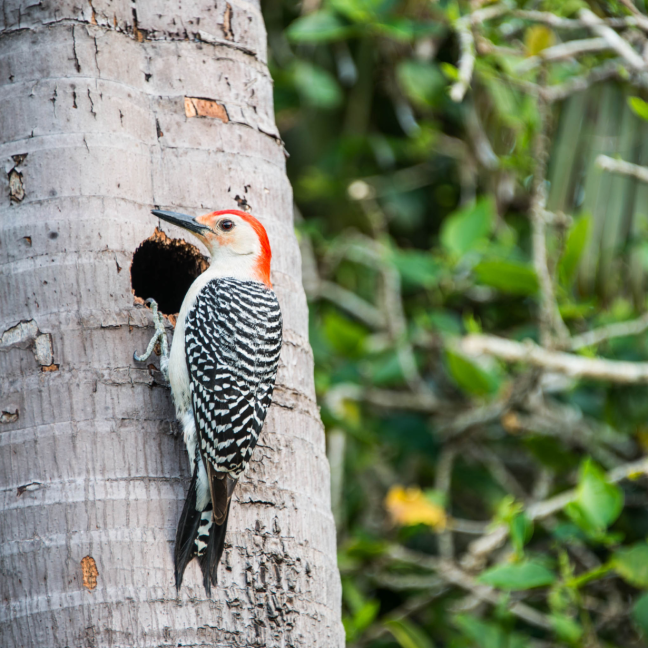
Another Cine Latino film: Woodpeckers (Carpinteros). Unsettling but excellent Dominican film entirely focused on Afro-Latino characters. Julián (Jean Jean) is awaiting sentencing when he’s put into one of the “less hellish” prisons in Najayo. That is to say, an overcrowded, filthy and violent place where many prisoners sleep on the concrete floor. Julián is second generation Haitian-Dominican. In a terse exchange with his brother, we learn he is an entrepreneurial “low level” criminal who doesn’t want to be locked into a low-paid menial job.
Continue reading WoodpeckersYou’re Killing Me Susana

At CineLatino, the Latin American film festival, I watched, You’re Killing Me Susana, starring Gael Garcia Bernal. As always, his performance is charming and the movie has an abundance of affable comedy. But his character and the story is not endearing. He is an unfaithful and selfish husband who does not take any interest in his wife and her writing. He is disparaging of her teaching, which supplements her writing aspirations. He has repeatedly talked his wife out of going away on writing trips because he is suspicious and jealous.
Continue reading You’re Killing Me SusanaHeterosexism in Everyday Life

Heterosexism is the presumption that being heterosexual is natural and normal. Women are also presumed to be passive in their sexuality, while men are active. Here are two examples I saw in one day, while on fieldwork.
Continue reading Heterosexism in Everyday LifeSoran Odori-tai Dancers
The Soran Odori-tai Dancers from the local Japanese community group, at the Haldon Street Festival.
Jenny Munro
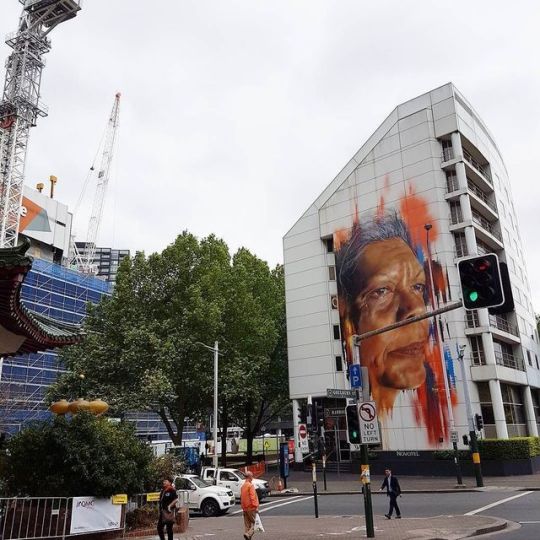
Jenny Munro, is a Wiradjuri Elder who established various health and community programs in the iconic inner city suburb of Redfern.
Continue reading Jenny MunroColonial Sugar

“Colonial Sugar,” Tracey Moffatt and Jasmine Togo-Brisby, exhibition at the City Gallery Wellington. From 1863 to 1904, the Queensland government in Australia enslaved at least 62,000 people from the Pacific to fuel production in its prosperous sugarcane plantations. Continue reading Colonial Sugar
Being Chinese in Aotearoa
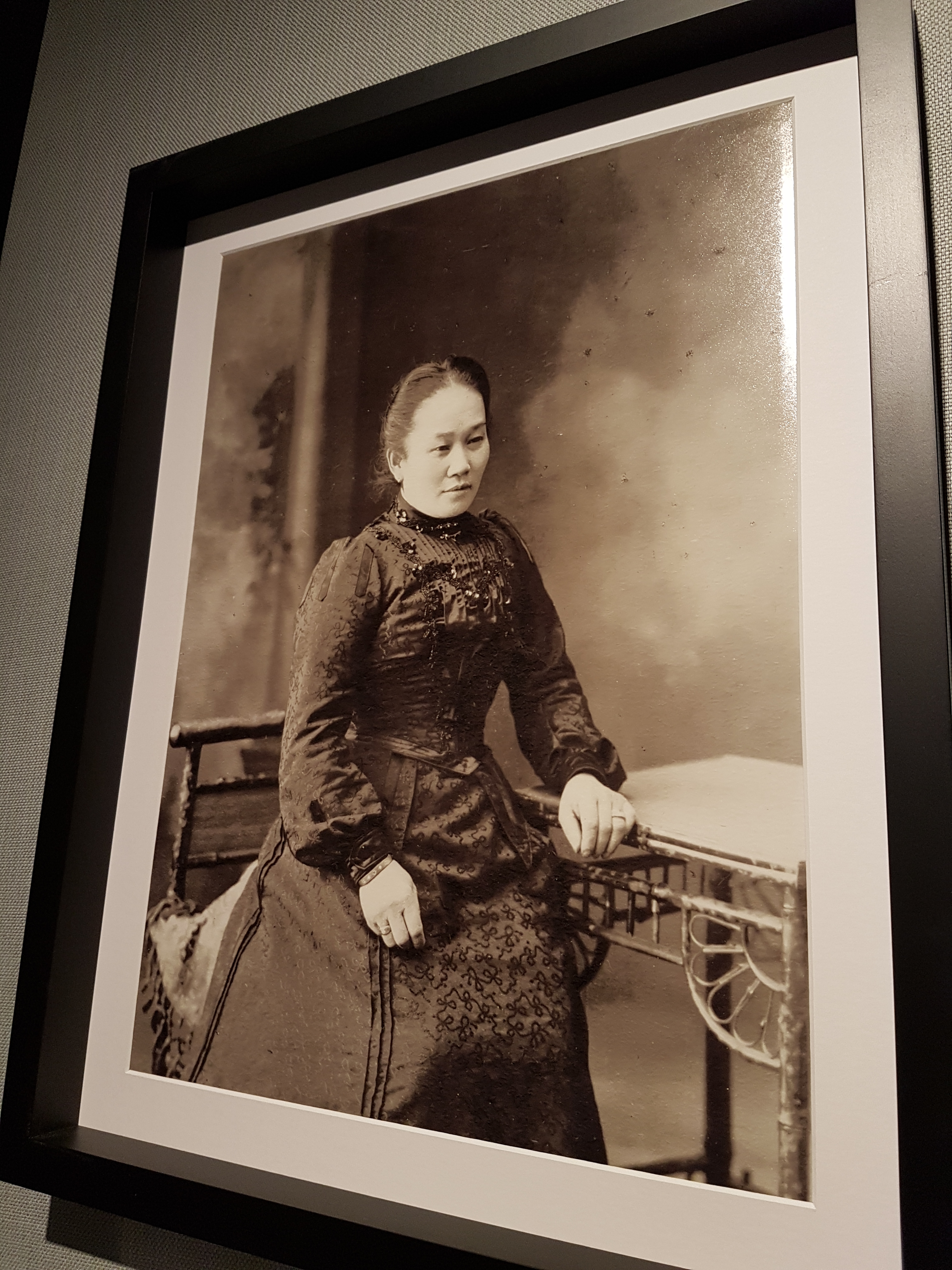
This is Matilda (Aheong) Li Keong, the first documented Chinese woman migrant in New Zealand Aotearoa.
Continue reading Being Chinese in AotearoaJapanese Culture on Gadigal Country, Sydney
Above are the Sakura Kids Cheerleading, at the ‘Mini-Matsuri’ Japanese Festival in Chatswood, Cammeraygal Country.
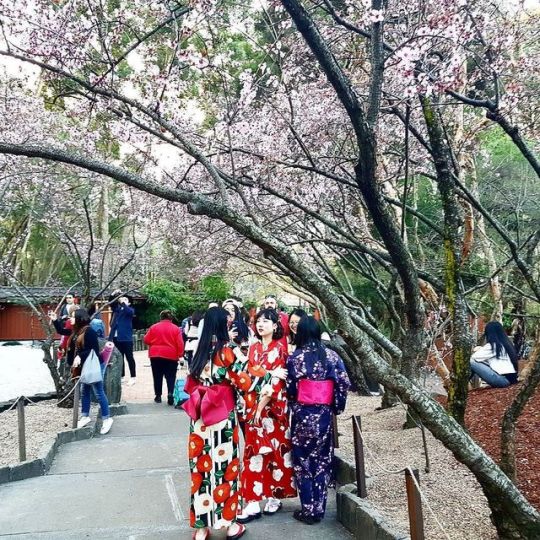
Below, is the Cherry Blossom Festival in Auburn, Darug Country.
 The Other Sociologist