The Wikipedia page for #YesAllWomen, a record of an anti-sexism online protest movement, is being edited to make it “less misandrist.” This Wiki page documents the Twitter hashtag that is being used internationally by women to share their experiences of sexual harassment, abuse and discrimination following the Isla Vista mass shooting in America. Some men are using this tag to listen and support women, but predictably, others are abusing it to hurt women and argue that the hashtag is “sexist against men.” The Wiki edits matter because Wikipedia has a massive problem with sexism. These edits reflect the very issues of gender violence, intimidation and power that the #YesAllWomen hashtag is trying to address. Continue reading Sexism on Wikipedia: Why the #YesAllWomen Edits Matter
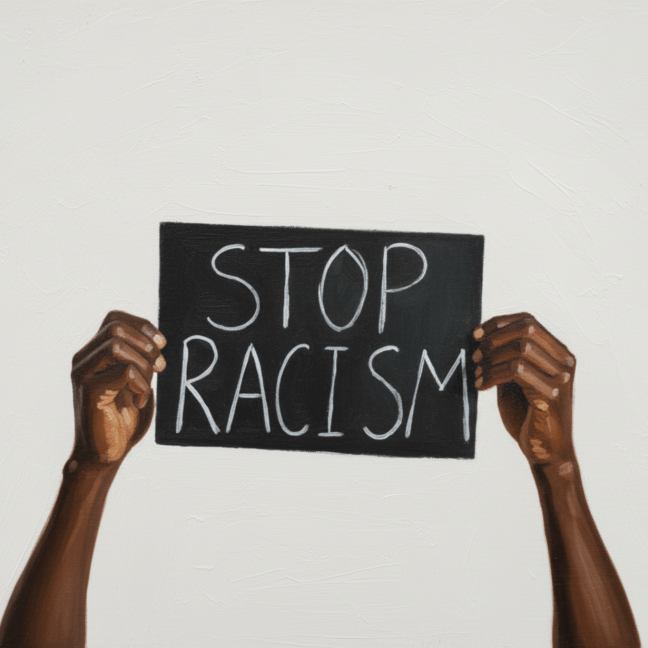
The Australian Government is proposing to remove legal protections against racial abuse. This will make it easier for overt racial discrimination to flourish.
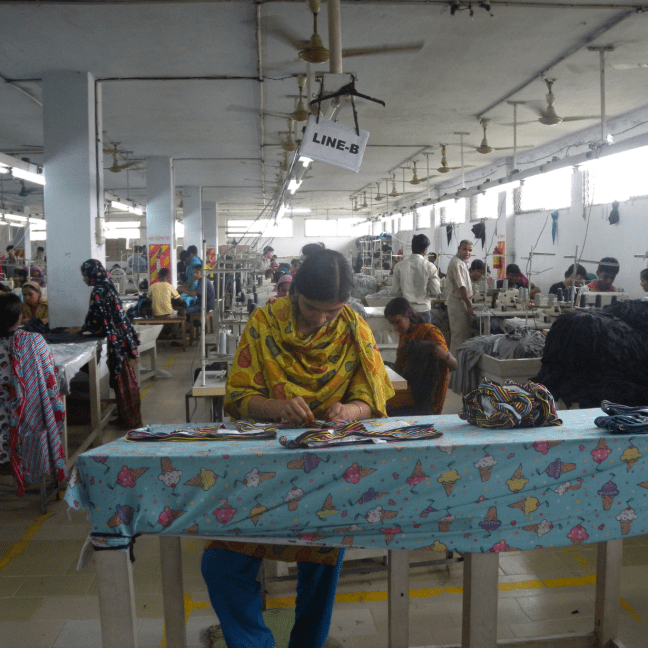
In Bangladesh, four million people work in textile factories. Their work accounts for 80% of their country’s annual exports. Yet they work in extremely dangerous conditions. It’s been a year since 1,100 workers died in two incidents of fire and structural collapse in April 2013. My post explores this tragedy through a sociological lens, looking at empirical studies of the local working conditions and social reality in which garment workers live. These tragedies are an ugly reminder of the unequal economic relations that sustain globalisation. One of the visceral Western response to these tragedies may be to cry for a boycott of these companies. Sociological research shows that the resolution is much less tidy. The story behind this is not simply about corporate greed. It is a tale about gender inequality and the social costs of economic mobility. Let’s start by remembering the 2013 tragedy.
An Australian study by philosophy Professor Andrew Markus finds that 40% of migrants from non-English speaking backgrounds have been subject to racism. This is an increase of 19% from six years a go. The groups who reported highest level of abuse include: people from Malaysia (45%), India and Sri Lanka (42%), Singapore (41%), Indonesia (39%), and China and Hong Kong (39%). The national average for experiences of racism was 12%.
In honour of Nelson Mandela’s life, let’s take a critical look at the sociology of Mandela’s leadership. This is as an opportunity to better understand how Mandela’s social experiences inspired his search for social justice.
Davide Morsellia and Stefano Passini draw on social psychology and sociology in order to compare the social and political influences on three world leaders of civil rights movements in three different societies: Nelson Mandela in South Africa, Mahatma Gandhi in India and Martin Luther King Jr in America. The researchers argue that these three world leaders engaged in “prosocial moral disobedience.” That is, they actively went against authority despite the personal persecution that followed. They did so not simply due to personal qualities, but as a direct result of their socialisation. This post will show that Mandela’s moral development and personal attitudes were affected by his social context.
Bangladeshi Australian comic Aamer Rahman humorously shows the problem with the idea of “reverse racism.” Sociological research bysociologist Eduardo Bonilla-Silva and colleagues backs up the idea behind his comedy, by showing the paradoxical beliefs held by white people who think they have been the victims of reverse racism: first, that racism is no longer a problem; second, that minorities get special privileges that are unfair, and which disadvantage white people.
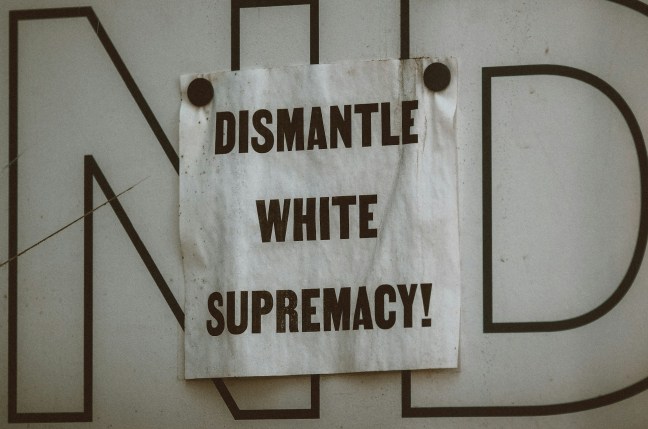
Here’s a satirical look at white male privilege, which refers to the gendered and racist discourses that maintain sexist, racist and heterosexist balance of power society.
Skin lightening products, including by Nivea and Vaseline, target women through magazines filled with images of fair-skinned Asian pop icons. The campaigns say, “Show off your aura” and “Get to know the miracle of white skin”.
“No one can take away who we are. No one can take away our identity”. Prominent Australian writer and intellectual Anita Heiss recently made this comment on the program Living Black. She was speaking about her lawsuit win over Andrew Bolt, who was found guilty of racial vilification. In 2004, Bolt engaged in a series of racist comments attacking high-profile Indigenous Australians, essentially arguing they weren’t “black enough”, as Heiss puts it in her latest book. The Living Black video (below), recounts some of Bolt’s insidious comments, such as “Meet the white face of a new black race. The Political Aborigine… I certainly don’t accuse them of opportunism, even if full-blood Aborigines may wonder how such fair people can claim to be one of them and in some cases take black jobs”.
Bolt is a conservative commentator and notorious bigot who tries his hardest to single-handedly dismantle multicultural harmony via his newspaper column and TV appearances. Bolt glowers over Indigenous Australian leaders, patronising his readership about how he images Indigenous Australians might feel about “light-skinned” Aboriginals, without awareness of his white male privilege and the ongoing history of racist paternalism which dominate Indigenous affairs at the national level. Bolt casually makes reference to “full-blood Aborigines”, which is a socially constructed colonial concept used to institutionalise racist practices. The categorisation of “half-caste”, “full-blood” and other variations, has been used since European settlement to deny Indigenous Australians access to their human rights, social welfare and land ownership. As Heiss’ book argues, her court case win over Bolt was a symbolic triumph. The court rule in favour of racial vilification took away the power of identity labelling from white Westerners who impose racial categories upon Indigenous Australians. While this is only one case involving one infamous media personality, Heiss says that the future implications of this court case are likely to be profound: Continue reading Reframing “Black” Identity Politics in Australia
Via Wiki: Detail from Benjamin West’s The Death of General Wolfe (1771). This painting is an example of an idealised vision of the “noble savage” in North American art.
By Zuleyka Zevallos
I wanted to do a follow up on my post from a couple of months a go, on Hollywood racism. I analysed George Lucas’ claim that big Hollywood studios were reticent to back his film Red Tails because there were no white leading actors in the script. I used the idea of the Magical Negro Trope to explain how mainstream Hollywood films stereotype African-Americans as either thugs or benevolent, self-sacrificing figures who exist only to teach the white character a life-affirming lesson. I showed that this trope extends to other minorities who are people of colour, through the Noble Savage Trope. Today I want to focus on the sexualisation of Noble Savage trope. The Noble Savage is a term describing the over-simplified stereotype of Indigenous people on film. I will focus on gender and sexuality issues in big-budget Hollywood films depicting Indigenous and minority cultures during early colonial and “frontier” times.
Today I will draw a comparison between Avatar and other Hollywood films that depict Indigenous and minority women as savage conquests. Women in general are rarely cast in complex roles in big-budget Hollywood releases. They are usually romantic or sexual diversions to help portray the male lead in a sympathetic light. Minority women are even more simplified, especially in stories involving Indigenous cultures. Indigenous and women of colour exist largely as Magical Pixie Conquests: they are painted as feisty, though ultimately submissive, pawns that help white male characters to dominate the “native tribe”. The fictionalised version of the “Pocahontas” story epitomises how Hollywood both fetishes Indigenous cultures and perpetuates patronising postcolonial fantasies.